




.sorting_disabled{background:#A41E26;color:#fff;font-size:18px;display: table-cell;vertical-align: middle;border: none;border-right:1px solid #e0e0e0;}
.sorting {background:#A41E26;color:#fff;font-size:18px;display: table-cell;vertical-align: middle;border: none;border-right:1px solid #e0e0e0;}
.sorting_asc{background:#A41E26;color:#fff;font-size:18px;display: table-cell;vertical-align: middle;border: none;border-right:1px solid #e0e0e0;}
.sorting_desc{background:#A41E26;color:#fff;font-size:18px;display: table-cell;vertical-align: middle;border: none;border-right:1px solid #e0e0e0;}
.dataTables_scrollBody table tbody tr{background-color:#fafafa !important;}
.dataTables_scrollBody table tbody tr:hover{background-color:#e9e9e9 !important;}
.dataTables_wrapper .dataTables_scroll div.dataTables_scrollBody>table>tbody>tr>td{border:none;border-right:1px solid #e0e0e0;border-bottom:1px solid #e0e0e0;}
.even td{border-bottom:1px solid #e0e0e0;}
.dataTables_wrapper .dataTables_scroll div.dataTables_scrollBody{border-bottom:0;}
.woocommerce #respond input#submit, .woocommerce a.button, .woocommerce button.button, .woocommerce input.button{font-size: inherit;background-color: #BF2D35;color: #fff;font-weight: 200;}


.sorting_disabled{background:#A41E26;color:#fff;font-size:18px;display: table-cell;vertical-align: middle;border: none;border-right:1px solid #e0e0e0;}
.sorting {background:#A41E26;color:#fff;font-size:18px;display: table-cell;vertical-align: middle;border: none;border-right:1px solid #e0e0e0;}
.sorting_asc{background:#A41E26;color:#fff;font-size:18px;display: table-cell;vertical-align: middle;border: none;border-right:1px solid #e0e0e0;}
.sorting_desc{background:#A41E26;color:#fff;font-size:18px;display: table-cell;vertical-align: middle;border: none;border-right:1px solid #e0e0e0;}
.dataTables_scrollBody table tbody tr{background-color:#fafafa !important;}
.dataTables_scrollBody table tbody tr:hover{background-color:#e9e9e9 !important;}
.dataTables_wrapper .dataTables_scroll div.dataTables_scrollBody>table>tbody>tr>td{border:none;border-right:1px solid #e0e0e0;border-bottom:1px solid #e0e0e0;}
.even td{border-bottom:1px solid #e0e0e0;}
.dataTables_wrapper .dataTables_scroll div.dataTables_scrollBody{border-bottom:0;}
.woocommerce #respond input#submit, .woocommerce a.button, .woocommerce button.button, .woocommerce input.button{font-size: inherit;background-color: #BF2D35;color: #fff;font-weight: 200;}
| Image | SKU | Name | Categories | Detail |
|---|---|---|---|---|
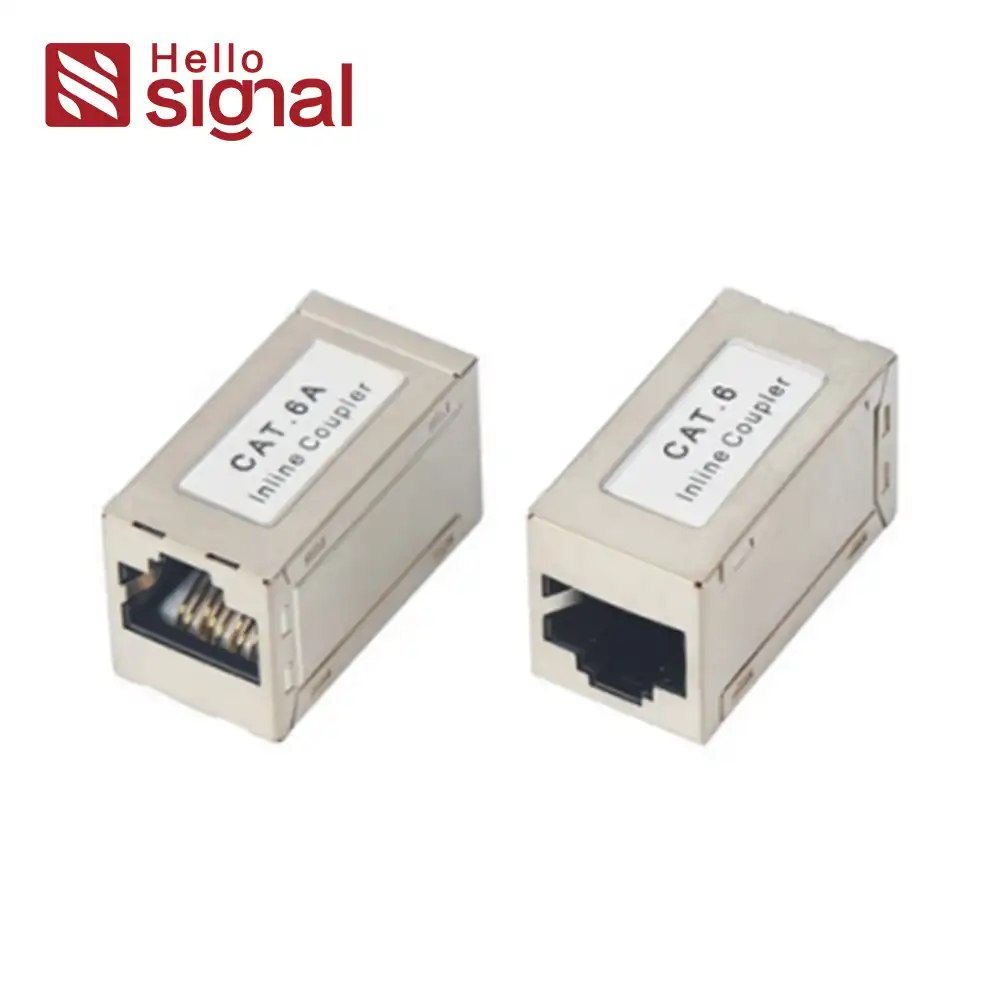
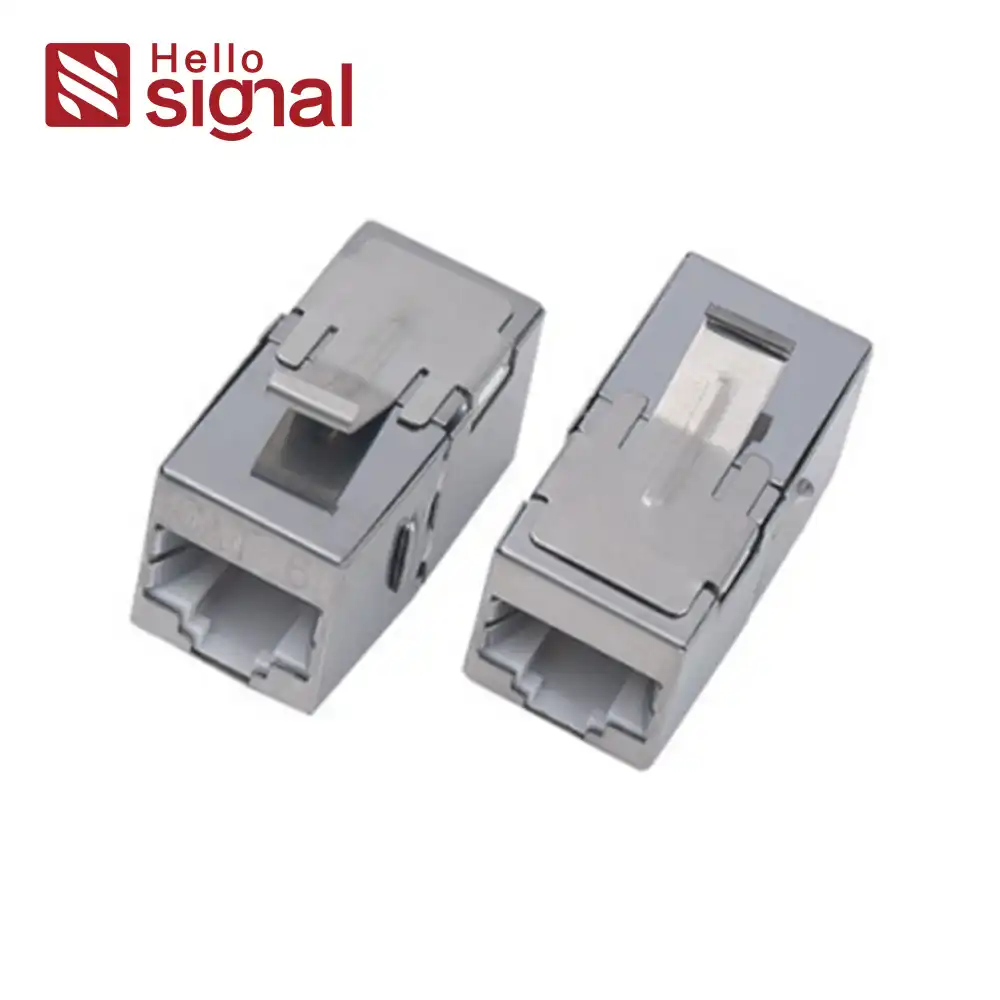
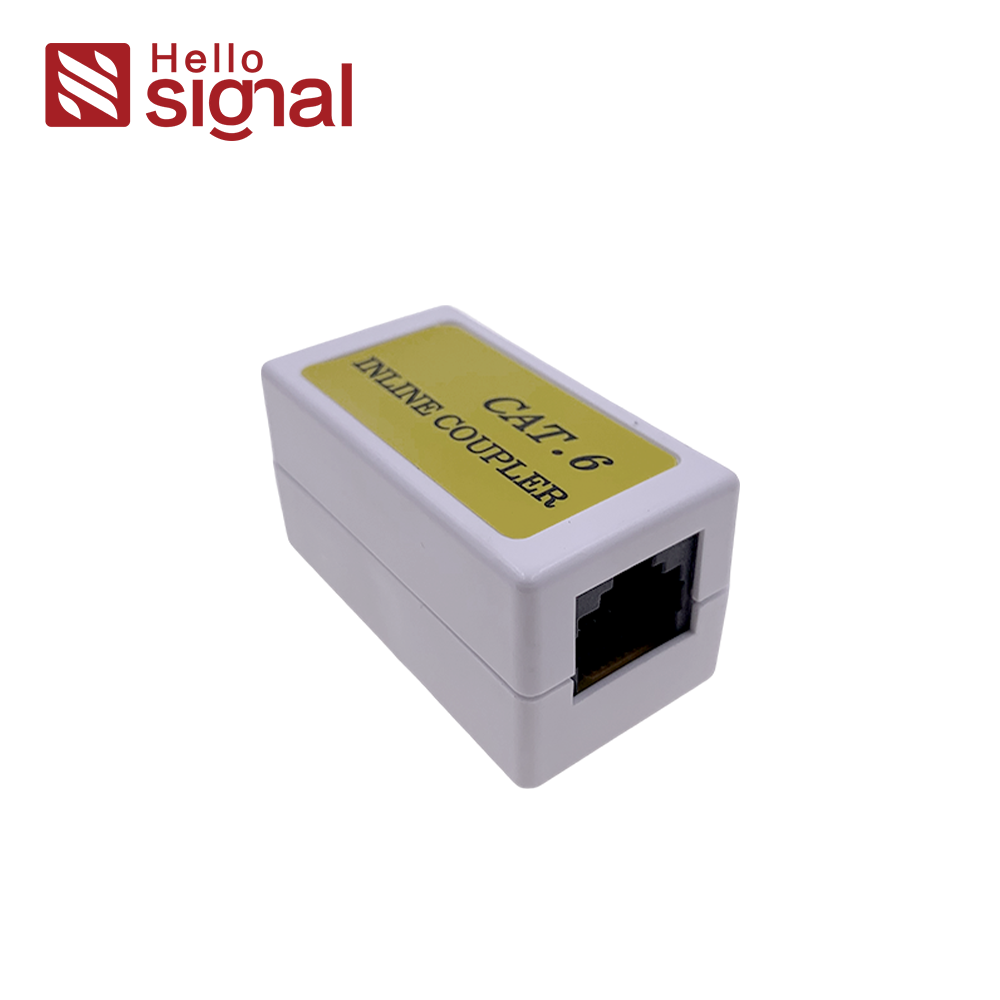
 | ZCICU6A-B2 | UTP CAT6A RJ45-RJ45 Inline Coupler | Copper Cabling, In-Line Coupler, UTP CAT6A Inline Coupler | |
 | ZCICU6A-B1 | UTP CAT6A RJ45-RJ45 Inline Coupler | Copper Cabling, In-Line Coupler, UTP CAT6A Inline Coupler |
.sorting_disabled{background:#A41E26;color:#fff;font-size:18px;display: table-cell;vertical-align: middle;border: none;border-right:1px solid #e0e0e0;}
.sorting {background:#A41E26;color:#fff;font-size:18px;display: table-cell;vertical-align: middle;border: none;border-right:1px solid #e0e0e0;}
.sorting_asc{background:#A41E26;color:#fff;font-size:18px;display: table-cell;vertical-align: middle;border: none;border-right:1px solid #e0e0e0;}
.sorting_desc{background:#A41E26;color:#fff;font-size:18px;display: table-cell;vertical-align: middle;border: none;border-right:1px solid #e0e0e0;}
.dataTables_scrollBody table tbody tr{background-color:#fafafa !important;}
.dataTables_scrollBody table tbody tr:hover{background-color:#e9e9e9 !important;}
.dataTables_wrapper .dataTables_scroll div.dataTables_scrollBody>table>tbody>tr>td{border:none;border-right:1px solid #e0e0e0;border-bottom:1px solid #e0e0e0;}
.even td{border-bottom:1px solid #e0e0e0;}
.dataTables_wrapper .dataTables_scroll div.dataTables_scrollBody{border-bottom:0;}
.woocommerce #respond input#submit, .woocommerce a.button, .woocommerce button.button, .woocommerce input.button{font-size: inherit;background-color: #BF2D35;color: #fff;font-weight: 200;}


.sorting_disabled{background:#A41E26;color:#fff;font-size:18px;display: table-cell;vertical-align: middle;border: none;border-right:1px solid #e0e0e0;}
.sorting {background:#A41E26;color:#fff;font-size:18px;display: table-cell;vertical-align: middle;border: none;border-right:1px solid #e0e0e0;}
.sorting_asc{background:#A41E26;color:#fff;font-size:18px;display: table-cell;vertical-align: middle;border: none;border-right:1px solid #e0e0e0;}
.sorting_desc{background:#A41E26;color:#fff;font-size:18px;display: table-cell;vertical-align: middle;border: none;border-right:1px solid #e0e0e0;}
.dataTables_scrollBody table tbody tr{background-color:#fafafa !important;}
.dataTables_scrollBody table tbody tr:hover{background-color:#e9e9e9 !important;}
.dataTables_wrapper .dataTables_scroll div.dataTables_scrollBody>table>tbody>tr>td{border:none;border-right:1px solid #e0e0e0;border-bottom:1px solid #e0e0e0;}
.even td{border-bottom:1px solid #e0e0e0;}
.dataTables_wrapper .dataTables_scroll div.dataTables_scrollBody{border-bottom:0;}
.woocommerce #respond input#submit, .woocommerce a.button, .woocommerce button.button, .woocommerce input.button{font-size: inherit;background-color: #BF2D35;color: #fff;font-weight: 200;}
| Image | SKU | Name | Categories | Detail |
|---|---|---|---|---|
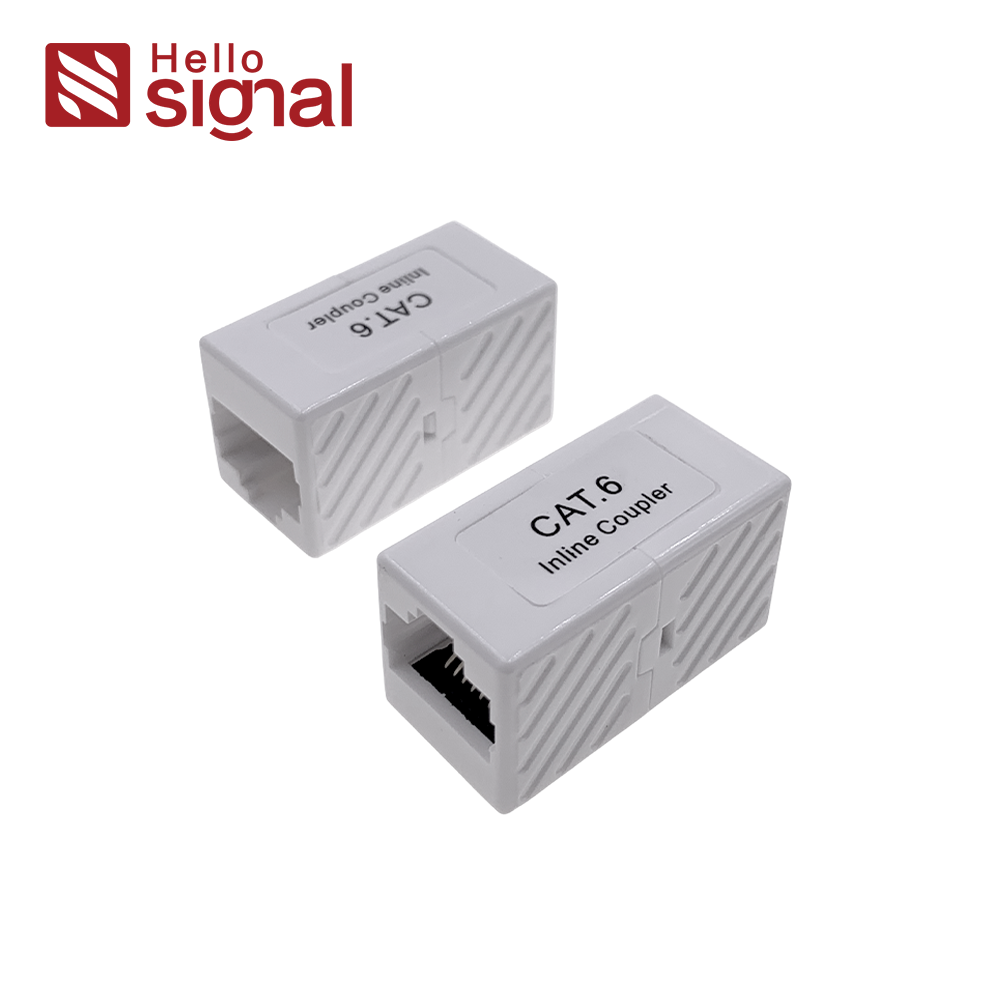
 | ZCICU5E-B2 | UTP CAT5E RJ45-RJ45 Inline Coupler | Copper Cabling, In-Line Coupler, UTP CAT5E Inline Coupler | |
 | ZCICU5E-B1 | UTP CAT5E RJ45-RJ45 Inline Coupler | Copper Cabling, In-Line Coupler, UTP CAT5E Inline Coupler |
.sorting_disabled{background:#A41E26;color:#fff;font-size:18px;display: table-cell;vertical-align: middle;border: none;border-right:1px solid #e0e0e0;}
.sorting {background:#A41E26;color:#fff;font-size:18px;display: table-cell;vertical-align: middle;border: none;border-right:1px solid #e0e0e0;}
.sorting_asc{background:#A41E26;color:#fff;font-size:18px;display: table-cell;vertical-align: middle;border: none;border-right:1px solid #e0e0e0;}
.sorting_desc{background:#A41E26;color:#fff;font-size:18px;display: table-cell;vertical-align: middle;border: none;border-right:1px solid #e0e0e0;}
.dataTables_scrollBody table tbody tr{background-color:#fafafa !important;}
.dataTables_scrollBody table tbody tr:hover{background-color:#e9e9e9 !important;}
.dataTables_wrapper .dataTables_scroll div.dataTables_scrollBody>table>tbody>tr>td{border:none;border-right:1px solid #e0e0e0;border-bottom:1px solid #e0e0e0;}
.even td{border-bottom:1px solid #e0e0e0;}
.dataTables_wrapper .dataTables_scroll div.dataTables_scrollBody{border-bottom:0;}
.woocommerce #respond input#submit, .woocommerce a.button, .woocommerce button.button, .woocommerce input.button{font-size: inherit;background-color: #BF2D35;color: #fff;font-weight: 200;}
